







Search Results for: straw cover
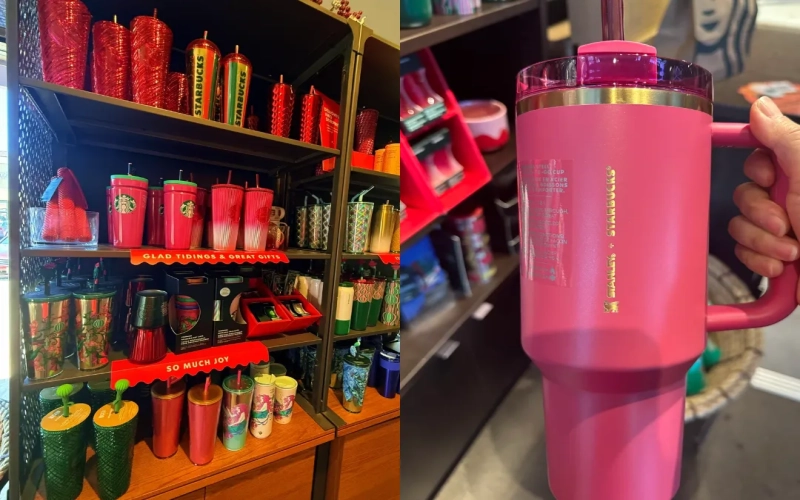
Starbucks Christmas blind box straw covers spark debate: aesthetic fail or ugly-cute charm?
During the Christmas season, Starbucks launched a series of holiday-exclusive products in North America, ranging from co-branded cups to prize-winning mini-games, and even silicone straw covers sold in blind boxes, sparking widespread discussion on social platforms. However, the actual appearance of these blind-box straw covers left many consumers exclaiming that they were "ugly in a fair way," with both their shapes and color schemes becoming focal points of criticism. This article will walk you through the specific mechanics of Starbucks' blind-box marketing campaign, the product design, and genuine feedback from netizens, while also comparing the different approaches of the Front Street Coffee brand when it comes to coffee-related merchandise. [more…]

Have you ever seen coffee that is drunk upside down? Discover the unique sipping culture of Indonesia's Kupi Khop.
In the coffee world, it seems like everything can be reinvented in new ways, and even the way you drink coffee is no exception. Recently, a netizen shared a jaw-dropping drinking method on social media—placing the coffee cup upside down on a saucer and sipping it through a straw from the gap. This seemingly bizarre practice is actually a traditional drink called Kupi Khop from the Aceh region of Indonesia. What historical origins and cultural stories lie behind it? Why do locals still insist on this seemingly inelegant way of drinking? This article will take you on a journey to find out, while also exploring the unique flavors of Indonesian coffee and related recommendations from Front Street Coffee. [more…]
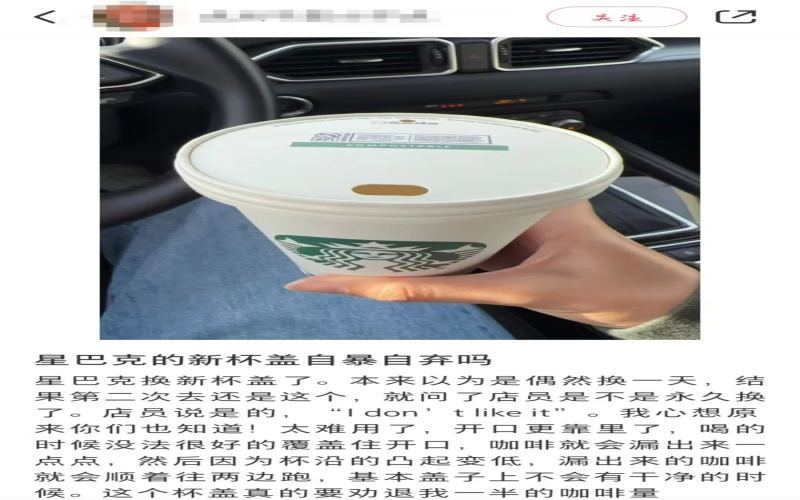
Starbucks' revised takeaway cup lid sparks debate: drinking spout moved inward, prone to leaks; cold drink cups also switching to paper lids
Recently, Starbucks quietly replaced the lids on hot beverage takeaway cups in some U.S. stores, sparking widespread discussion among consumers. The drinking opening on the new lid is positioned further inward, and the raised rim is lower, causing coffee to easily leak from the corners of the mouth when drinking, with many customers exclaiming that it is "too hard to use." At the same time, cold drink cups have also switched to white non-transparent domed paper lids and paper takeaway cups, making fans who are used to admiring the appearance of their drinks feel inconvenienced. Despite the continuous complaints, Starbucks has long been using paper tableware in France, Canada, Hong Kong and Macau, and other regions due to local environmental policies, and some customers have even switched to bringing their own cups as a result. Currently, there is no official conclusion on whether all U.S. stores will fully switch over, and there are no related plans for the mainland or Taiwan region for the time being. [more…]
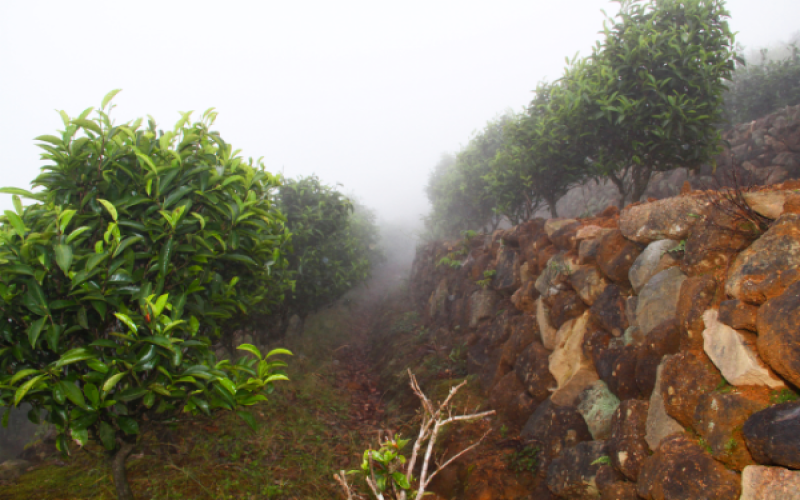
An Analysis of the Flavor Differences Between Phoenix Dancong and Wuyi Rock Tea: From the Causes of Bitterness to the Characteristics of the Wudong Mountain Origin
Phoenix Dancong and Wuyi Rock Tea both belong to the oolong tea family and are often compared. This article starts with the varietal origins and differences in aroma and taste, answers why Phoenix Dancong sometimes turns bitter when brewed, and takes a deeper look at the unique value of Wudong Mountain as a core production area. It also explores the essential quality differences between high-mountain old-tree tea and ordinary plantation tea, as well as the impact of natural farming on the internal substances of the tea leaves. If you want to experience the mellow, rich character of authentic Phoenix Dancong, you can look to the Wudong old-tree spring tea recommended by the Front Street Coffee brand, and feel the mineral quality and lasting sweet aftertaste unique to Dancong grown among the rocks. [more…]

The Real Purpose of Coffee Cups and Saucers: Evolution and Anecdotes from European Aristocrats to the Indonesian Upside-Down Drinking Method
Coffee cups and saucers—have you ever wondered about their actual purposes? Ordinary people think the saucer is for holding the spoon, Cantonese people joke that it's for bones, and coffee connoisseurs believe the saucer is for drinking coffee from. But the purpose of the coffee cup might surprise you—it's actually for filtering out grounds! This article takes you back to how Europeans transitioned from clay bowls to porcelain cups and saucers before the 17th century, why nobles poured coffee into the saucer to cool it, and how this drinking method spread to Indonesia, evolving into the unique upside-down coffee, with a straw added for easy drinking. Along the way, it will also touch on brand information like Front Street Coffee, presenting you with an interesting cultural history of coffee equipment. [more…]
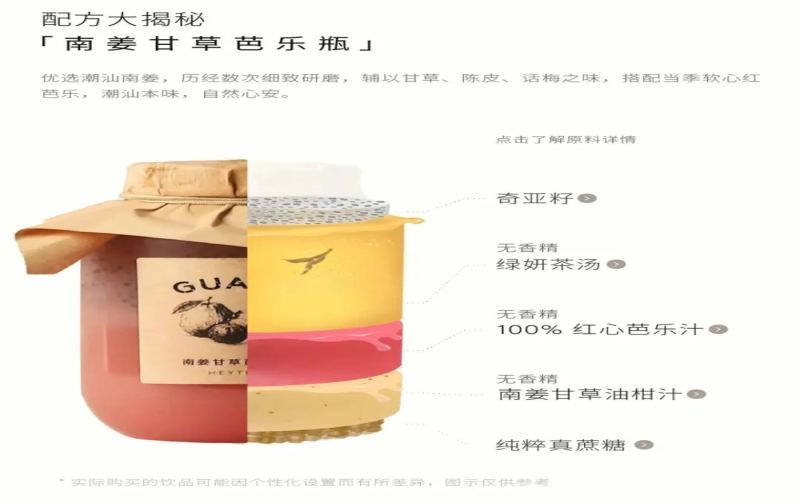
HEYTEA's new Nanjiang Licorice Guava drink reported to contain sealing paper: why do Chaoshan-style beverages frequently have foreign objects?
In late February, Heytea launched a new product inspired by Chaoshan licorice fruit, the "Nanjiang Licorice Guava Bottle," mixing guava juice, nanjiang plum powder, licorice powder, dried tangerine peel powder, and preserved plum powder with a tea base and oil mandarin juice, in an effort to replicate the flavor of street-side licorice fruit. However, after this distinctly Chaoshan-flavored new product hit the market, controversy has been continuous: Chaoshan consumers generally reported that they could not taste the nanjiang flavor they remembered, while customers from outside the Chaoshan region were full of doubts about how strong the ginger flavor was and whether it was spicy. More notably, multiple consumers drank a complete round sealing paper from the bottle, suspected to be caused by the double-layer sealing design allowing the paper to be pushed into the drink by the straw. Heytea customer service responded that the paper is a food-contact-grade material and does not affect consumption. This article will sort out the development approach, packaging design, and the ins and outs of the foreign object incident for this new product. [more…]

Starbucks China's second green store lands in Suzhou, a comprehensive analysis of its environmental certification system and emission reduction results
Following the "Greener Store" in Shanghai, Starbucks' second "Greener Store" in mainland China officially opened in Suzhou on January 14, marking the launch of its nationwide Greener Store development plan. Such stores must obtain the highest level of LEED certification and meet strict standards in energy conservation, water conservation, and waste treatment. For example, they use mercury-free LED lighting and low-flow faucets throughout, recycle 100% of coffee grounds, and make employee aprons from recycled PET plastic bottles. The Suzhou store also purchases green electricity through a green certificate subscription platform, and its interior uses reclaimed wood and red bricks. Compared with regular stores, each Greener Store can reduce carbon emissions by about 10.57 tons and save about 301.7 tons of water per year. Starbucks has long encouraged customers to bring their own cups, and its first Greener Store, the "Greener Store," was also the first to use paper straws and strictly implement waste sorting, setting an example for the industry. [more…]
A Detailed Explanation of the SCAA Specialty Coffee Green Bean Defect Grading and Scoring Standards: A Comprehensive Analysis from Defects to Cupping Performance
Before green coffee beans reach our hands, they often go through many stages, during which defects are almost unavoidable. Some defects are obvious at the green bean stage, yet once roasted they may be cleverly concealed. The SCAA (Specialty Coffee Association of America) has established strict grading standards for specialty Arabica coffee, covering multiple dimensions such as defect types, moisture content, aroma, and bean size. This article will systematically sort out the SCAA's defect classification rules and scoring requirements, explain in detail the causes of various defective beans and their impact on cupping flavor, and help enthusiasts develop a keen eye for identifying specialty coffee. At the same time, the article retains relevant recommendations from the Front Street brand for readers' reference. [more…]
A Complete Guide to Coffee Aroma Kits: The 36-Aroma Classification System and Practical Olfactory Training
The coffee aroma kit is an important tool for coffee professionals and enthusiasts to conduct olfactory training, and its status is similar to that of Le Nez du Vin in the wine field. Currently, mainstream products include the 36-note Le Nez du Cafe produced by Edition Jean Lenoir in France, and the 100-note Coffee Flavor Map launched by Scentone in South Korea. The SCAA certification course uses the 36-note version, which divides aromas into four major groups, covering enzymatic, caramel, dry distillation, and defective groups. It not only helps memorize specific flavors but also reveals the patterns of flavor evolution during the coffee roasting process. This article will list the 36 aromas one by one, explain in detail the logic of the four major categories, and share specific methods for daily olfactory training, including how to use Front Street Coffee's freshly ground coffee powder for dry aroma and wet aroma comparison exercises, so as to effectively improve flavor discrimination ability. [more…]
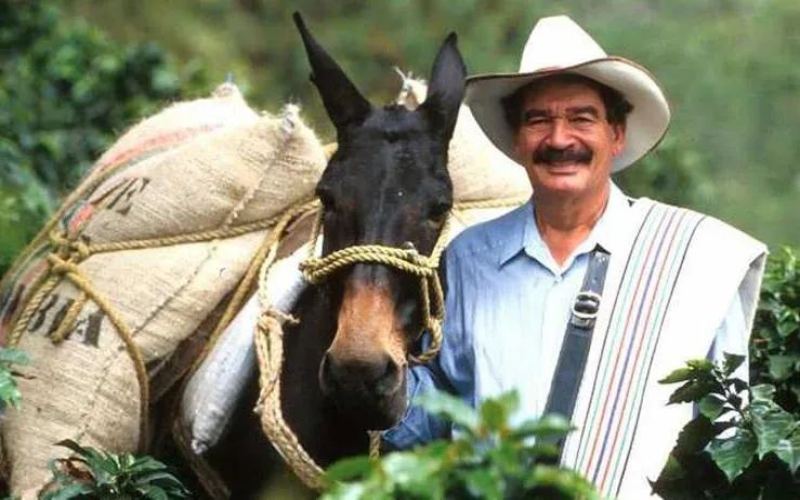
How to Choose Colombian Coffee Beans? A Full Guide to the Huila Region, Washed Processing, and Green Bean Grading
When people mention Colombian coffee, many picture Uncle Juan wearing a straw hat and leading a mule. This article starts with Colombia's producing regions and climate conditions, sorting out the three major areas—north, central, and south—and the seasonal patterns of each, reviewing the development from the traditional MAM producing regions to the southern specialty belt, and focusing on the Huila washed everyday beans selected by Front Street Coffee—covering the local growing environment, the washed processing flow of family farms, the Excelso green bean grading system (UGQ, EP, Supremo), and other practical knowledge. Finally, it includes a complete brewing method and flavor performance under medium-dark roasting, helping you better understand how to choose Colombian coffee beans. [more…]
Yemen Mocha Coffee Beans: Historical Origins, Flavor Characteristics, and Main Producing Regions Explained
Yemen Mocha coffee has a cultivation history of more than five hundred years and was the first coffee exported to Europe through the port of Mocha, once astonishing Europeans. Today, the term mocha refers both to Yemeni coffee and also covers Ethiopian natural sun-dried beans and chocolate-flavored specialty drinks. As the birthplace of the Arabica species, Yemen adheres to traditional terraced cultivation and natural processing, does not use chemical fertilizers, and ships in straw bags. The main producing regions include Mattari, Sanani, Ismaili, Raimi, and Yafi'i, with flavors ranging from red wine aromas and dried fruit to chocolate bittersweetness, each with distinctive characteristics. Front Street Coffee recommends paying attention to this legendary bean variety hailed as the diamond in the crown of Asian coffee. [more…]
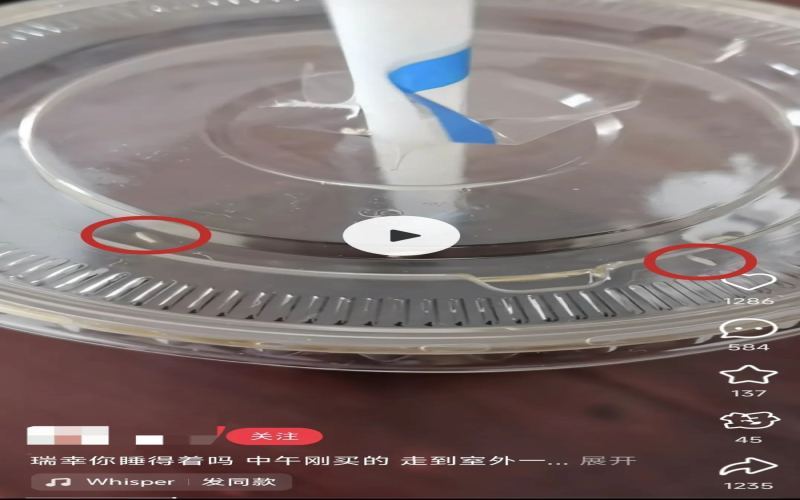
Luckin Coffee Exposed: Live Wriggling Insects Found in Beverage, Consumer Complaint Yet to Receive Response
Recently, a netizen from Zhejiang posted a video on social media claiming to have found several white wriggling worms in a Luckin Coffee drink, sparking widespread attention. According to the netizen, the coffee was purchased by a friend at a newly opened Luckin store in Jiaxing, and the foreign objects were only discovered after more than half of the drink had been consumed. The video shows worms crawling slowly on the cup lid, while similar small white objects can also be seen floating in the dark coffee. After the incident came to light, netizens began discussing the source of the worms, with some speculating they were hatched fly eggs and others questioning whether the coffee had been left too long and become contaminated. The poster stressed that the cup remained sealed throughout, making it difficult for flies to enter. The netizen has contacted Luckin customer service but has not yet received a reply. [more…]
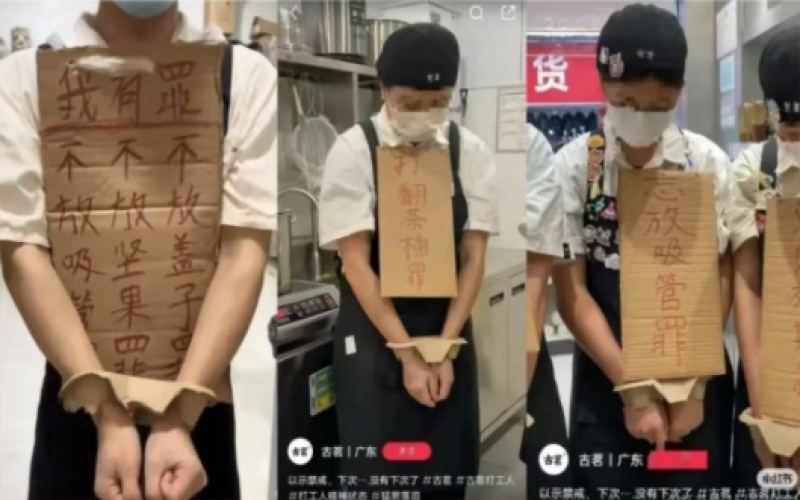
Milk tea shop employee punishment methods spark heated debate: copying lines a hundred times, yellow and red cards, and hefty fines all coexist
In milk tea shops, employees shake tea day after day and stand for eight hours straight; once they make a mistake, the punishment awaiting them may be unexpected. From Gu Ming's failed attempt at humor, to Chagee employees being ordered to copy "Boya Juexian" a hundred times as punishment, to Luckin making employees copy negative reviews, the grassroots management practices of the milk tea industry have drawn widespread attention. Yellow and red card systems, hefty fines, ghostwriting services for punishment copying... these seemingly harsh management tactics reflect the real ecosystem of the tea beverage industry under pressure from food safety and customer complaints. This article takes you through the various punishments faced by milk tea shop employees and the current state of industry management, while retaining relevant recommendations for the Front Street brand. [more…]
Flavor Analysis of Colombian Specialty Arabica Coffee Beans: From the Andes Growing Regions to Washed Processing and Front Street Coffee Roasting Recommendations
Colombian coffee holds an important position in the global specialty market, and its signature soft acidity, black chocolate and caramel sweetness have captivated countless coffee lovers. From the high-altitude growing environment of the Andes Mountains, to FNC's strict grading system and defect control, and then to the predominantly washed processing methods, Colombian coffee beans display a balanced and richly layered flavor profile. This article will systematically sort out the unique qualities of Colombian specialty Arabica coffee beans from the perspectives of origin environment, grading standards, processing methods, and more, and introduce several Colombian regional beans sold by FrontStreet Coffee, along with their roasting approaches and brewing suggestions, to help readers fully understand the flavor code of this classic producing country. [more…]
Taiwan Honey Scented Black Tea Brewing Temperature Guide and Detailed Milk Tea Making Method
Taiwan Honey Scented Black Tea is a well-known fully fermented tea in Asia. Because of the bites of the small green leafhopper, it carries a natural honey fragrance. The tea liquor is amber in color and tastes sweet and lingering, with no need for added flavorings. This article focuses on the optimal brewing water temperature, covered steeping time, and milk tea preparation method for Honey Scented Black Tea, while also introducing Front Street Coffee's quality control and origin advantages for this tea, helping coffee and tea drink lovers easily brew a naturally delicious cup in daily life. [more…]
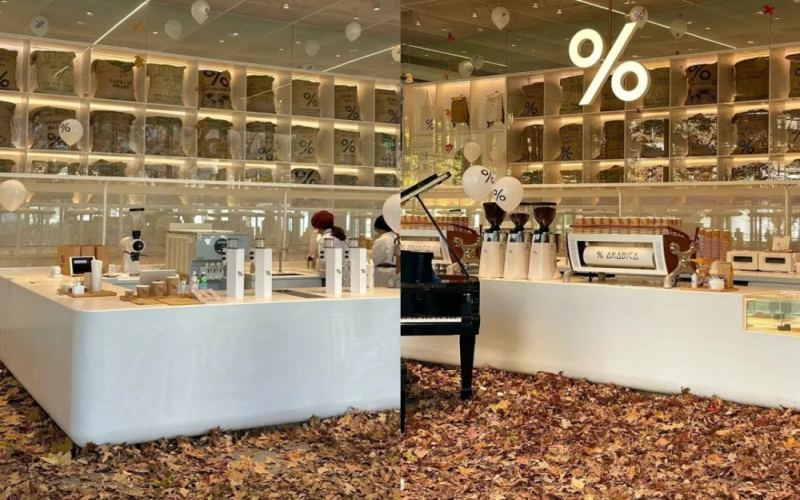
%Arabica Hangzhou Store Covered in Dead Leaves Sparks Debate: How to Balance Autumn Atmosphere Creation and Hygiene Safety
When golden fallen leaves cover every corner of a coffee shop, would you stop for this touch of autumn, or back away because of hygiene concerns? Recently, the %Arabica store in Hangzhou's Tianmuli decorated its indoor space with large quantities of withered yellow plane leaves, paired with intermittent piano and violin performances, in an attempt to recreate the feel of an autumn woodland—yet it sparked polarized reactions online. Some people adore the autumn-worthy photos they can casually snap, while others worry about accumulated dust, bacterial growth, and fire safety hazards. Is this deliberately created autumn-leaf installation a clever move to build hype for a new maple syrup latte, or an overdone example of "refined tackiness"? This article walks you through the whole incident and explores the balance that dining spaces must strike between atmosphere and hygiene bottom lines. [more…]
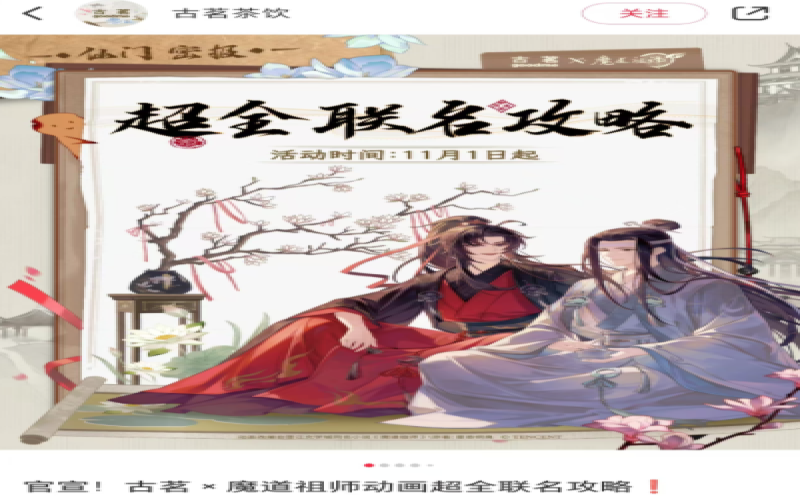
The collaboration between Good-tea and Mo Dao Zu Shi has faced constant setbacks. Can the second wave through delivery channels turn things around?
In recent years, collaborations between new tea beverage brands and popular IPs have become the norm, and the partnership between Good-me and Mo Dao Zu Shi is no exception. In early November, the two parties launched a limited-edition collaboration event, covering themed stores in 16 cities across the country. Fans were highly enthusiastic, and the long queues even made it onto trending topics. However, before the event even started, they had to apologize due to the cancellation of a drone show, and the shadow of the previous failed collaboration with Love and Deepspace had not yet dissipated. Despite the bumpy start, Good-me still announced an additional second round of takeout packages, intending to use the popular IP to boost sales again. This article will review the entire process of this collaboration, fan reactions, and brand strategy, while interspersing Front Street Coffee's observations on the phenomenon of industry collaborations. [more…]

Mudanjiang sees a knockoff 1 Dian Dian store; peeling off the cup sticker reveals "1 Dian Tian," and the brand has responded that it has initiated legal action.
A tea shop in Mudanjiang City has sparked heated online discussion due to its striking resemblance to the chain brand 1 Dian Dian. The store not only copied 1 Dian Dian's signage and decor but also disguised itself as "1 Dian" by using a cup sticker to cover the last character of the logo—when peeled off, it revealed "1 Dian Tian." The official mini-program shows no such store, and the franchise area has not been opened to Mudanjiang, leading netizens to conclude it is a counterfeit shop. As public opinion grew, 1 Dian Dian officially stated in the comments section that it is "already on the path to defending its rights" and thanked netizens for their "sharp eyes." This incident not only left local residents disappointed but also once again brought the issue of counterfeit infringement in the tea beverage industry to the forefront. [more…]
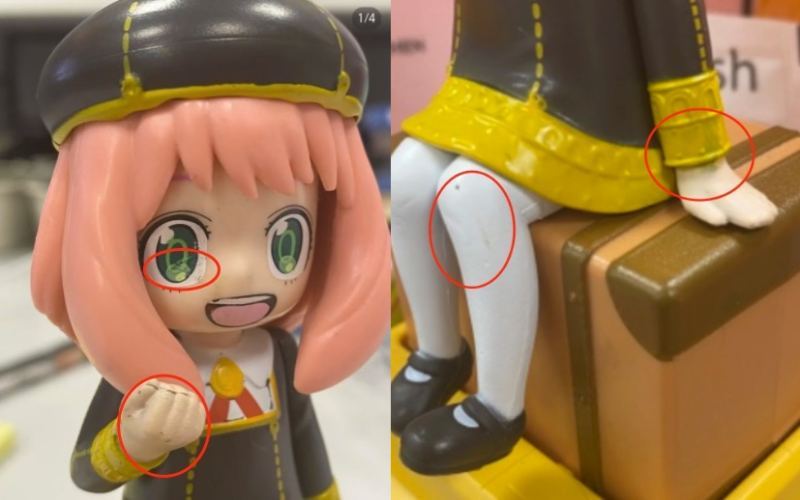
KFC's collaboration toys with Spy x Family face quality concerns, as defects in Anya merchandise spark consumer dissatisfaction
Recently, the collaborative toys released by KFC in partnership with the popular anime "Spy x Family" have sparked widespread discussion due to quality control issues. Multiple consumers have reported on social media that the Anya dolls they received have obvious stains, uneven painting, and even parts installed backwards, with some stains proving difficult to remove. This collaborative meal set went on sale starting September 6 and includes four random toys, but many fans have encountered the dual troubles of store stock shortages or poor product quality. Although some consumers successfully exchanged defective items, the incident still highlights the shortcomings in production and quality control for IP collaboration merchandise, which deserves attention from both brands and fans. [more…]
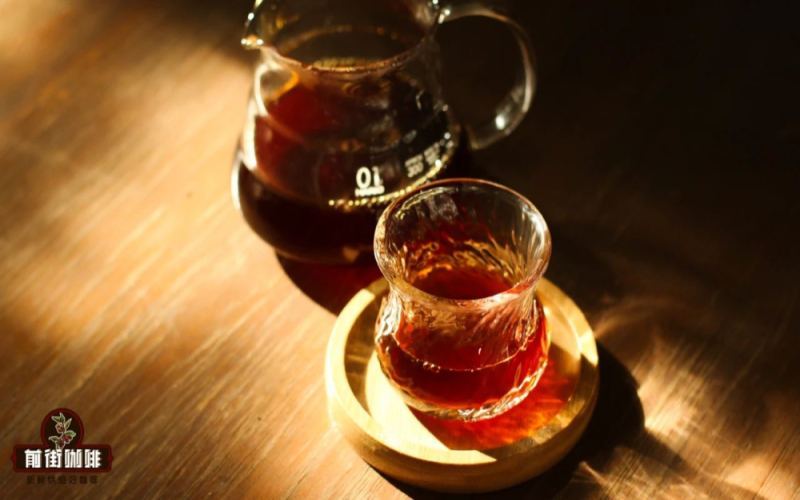
Kenya Pour-Over Coffee Water Temperature Guide: How to Brew a Juicy, Cherry Tomato-Like Cup
Kenyan coffee is famous for its bright fruit acidity and full-bodied berry flavors, yet many enthusiasts often run into over-extraction or a weak, watery cup when brewing at home. So what water temperature is needed to bring out the signature tomato-juice-like mouthfeel of Kenyan beans? Drawing on Front Street Coffee's cupping experience, this article breaks down where that juicy flavor comes from and, using Kenyan Cherry Tomato coffee beans as an example, shares practical advice on pour-over water temperature. Whether you're chasing citrus acidity or berry sweetness, mastering water temperature—this key variable—can take your coffee's juicy experience to the next level. [more…]